Whether you’re a beginner or seasoned guitarist, understanding major scale patterns is essential for mastering the instrument. Major scales are the foundation of music theory and learning their patterns can open up a world of possibilities in your playing.
By familiarizing yourself with guitar major scale patterns, you’ll be able to improvise, write your own music, and better understand the music you love to listen to. These patterns are like building blocks that form the basis of melodies and harmonies in countless songs.
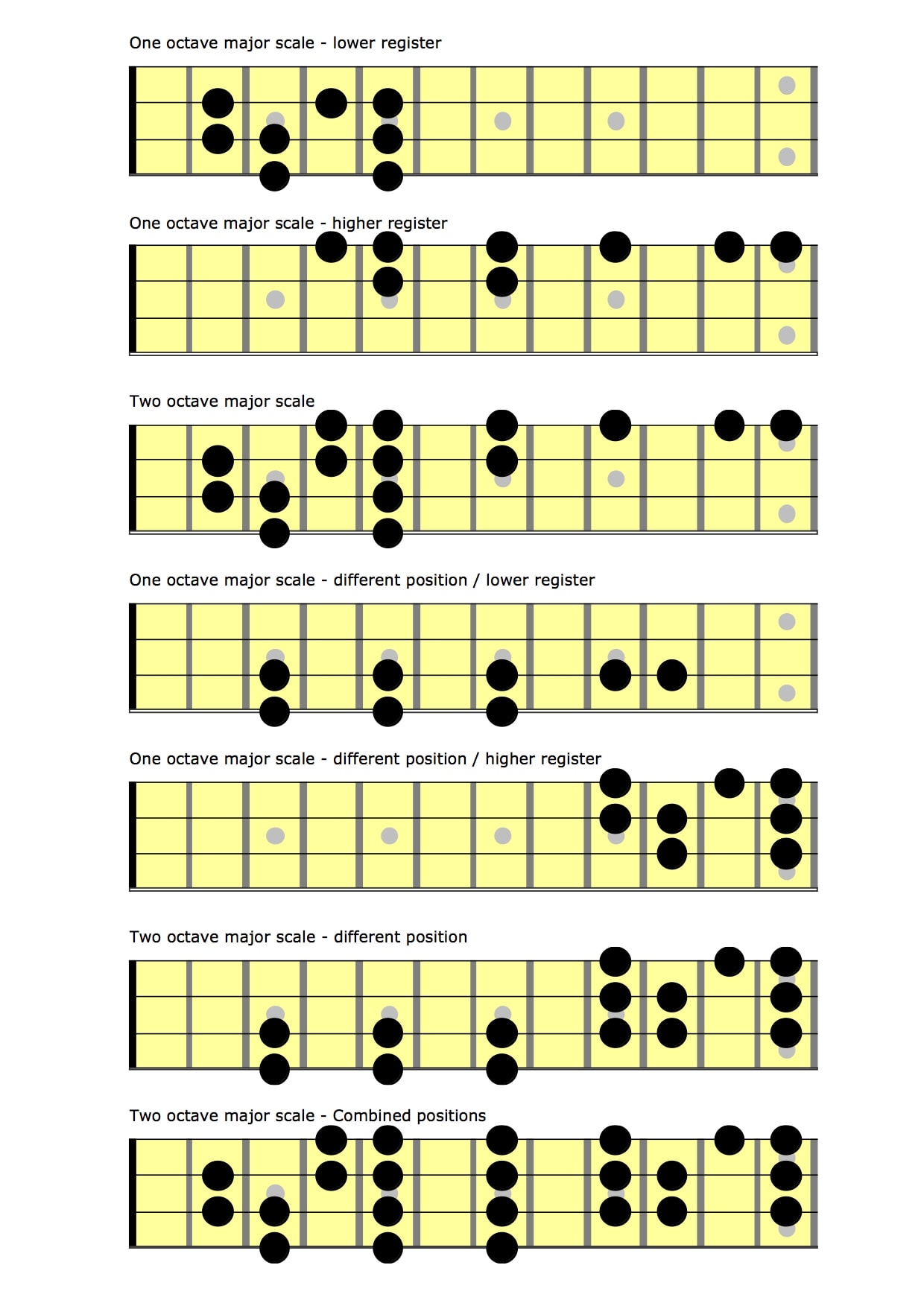
guitar major scale patterns
Exploring Guitar Major Scale Patterns
One of the most common major scale patterns is the C major scale, which consists of seven notes – C, D, E, F, G, A, B. Learning this pattern on the guitar fretboard can help you understand the relationship between notes and how they create a specific sound or mood.
Once you’ve mastered the C major scale pattern, you can transpose it to different keys and positions on the fretboard. This versatility allows you to play in different musical contexts and experiment with creating your own unique sounds.
Practice is key when it comes to internalizing guitar major scale patterns. Spend time each day running through scales, playing them in different rhythms, and incorporating them into your playing. The more familiar you become with these patterns, the more effortlessly you’ll be able to incorporate them into your musical repertoire.
So, grab your guitar, start exploring major scale patterns, and watch as your playing improves and evolves. With dedication and practice, you’ll soon be able to use these patterns to express yourself musically in ways you never thought possible.
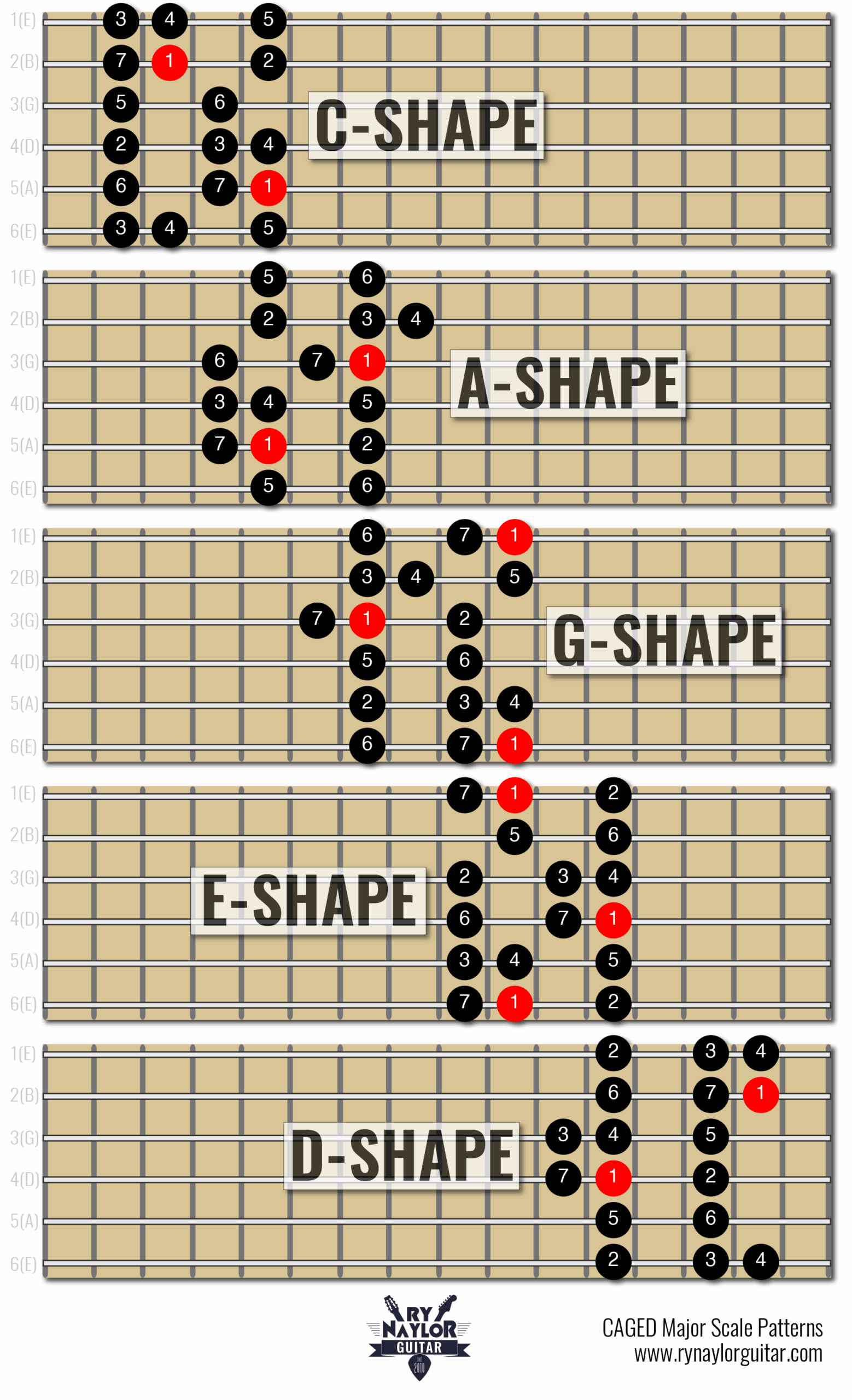
7 Major Scale Patterns Guitar
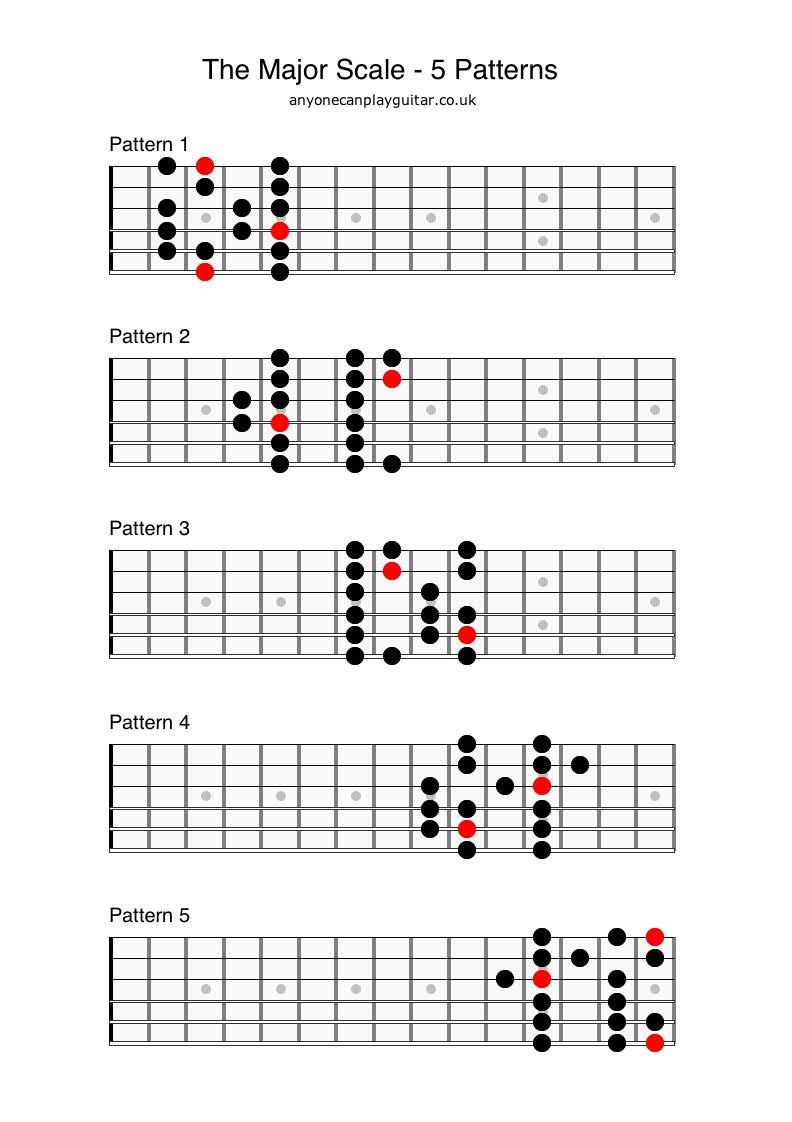
The Major Scale Anyone Can Play Guitar
Guitar Scale Pattern Sewing Pattern Library
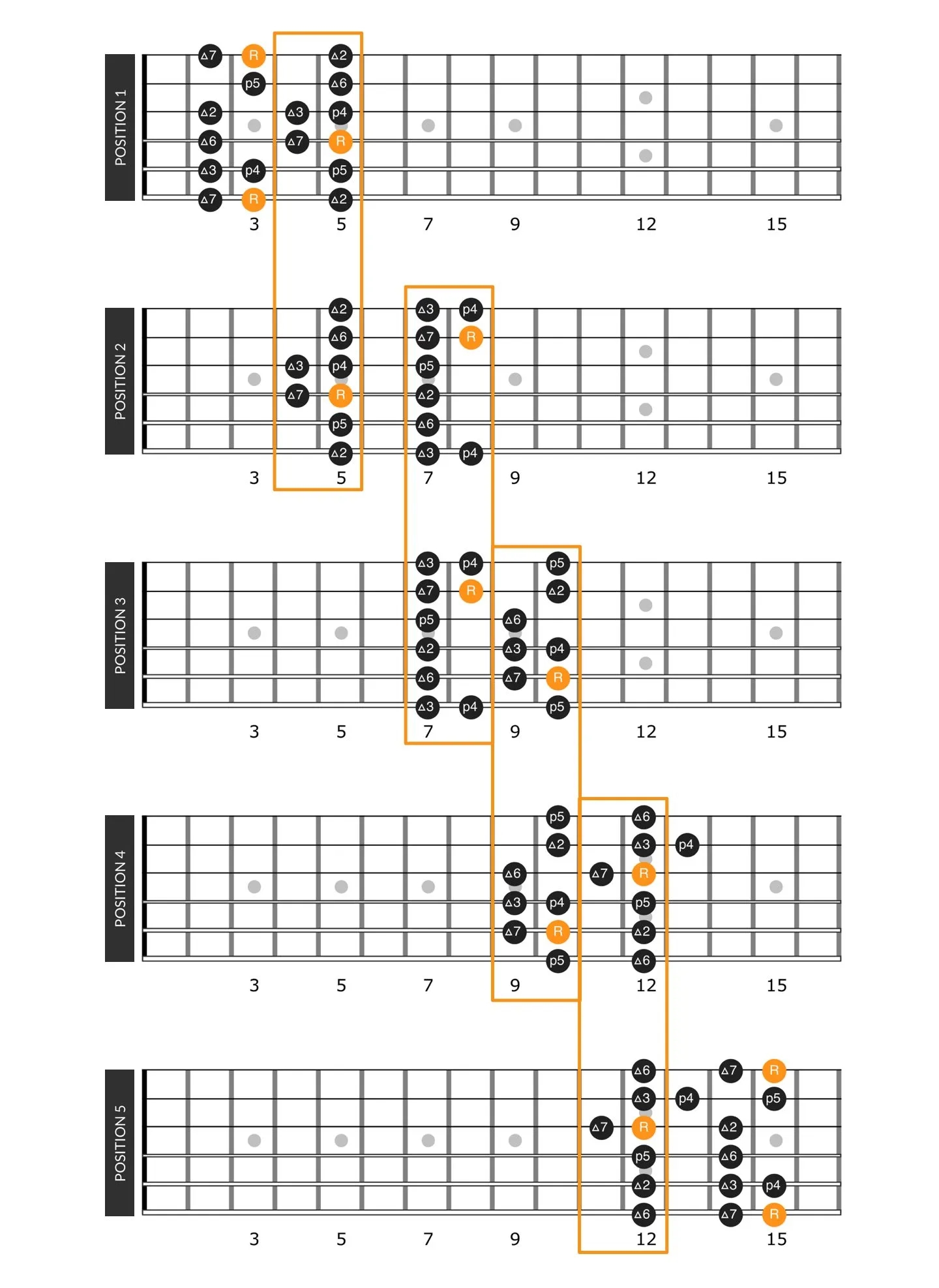
Major Scale Patterns Positions And Theory
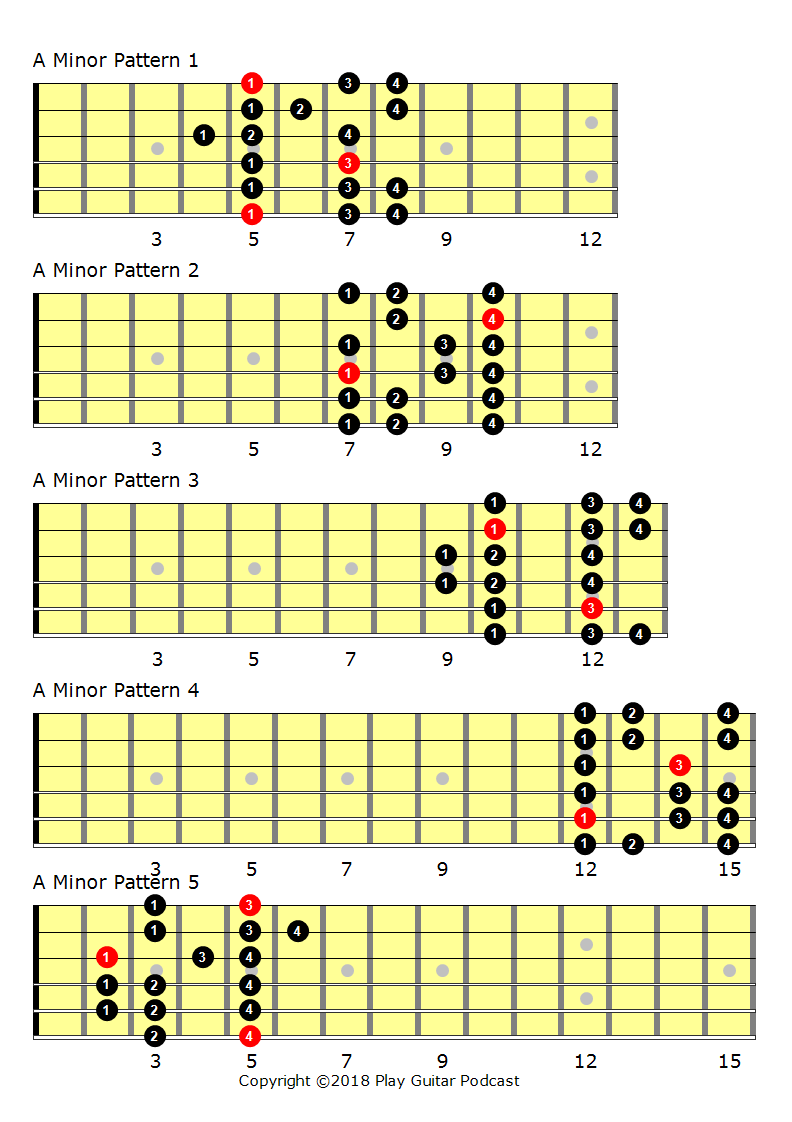
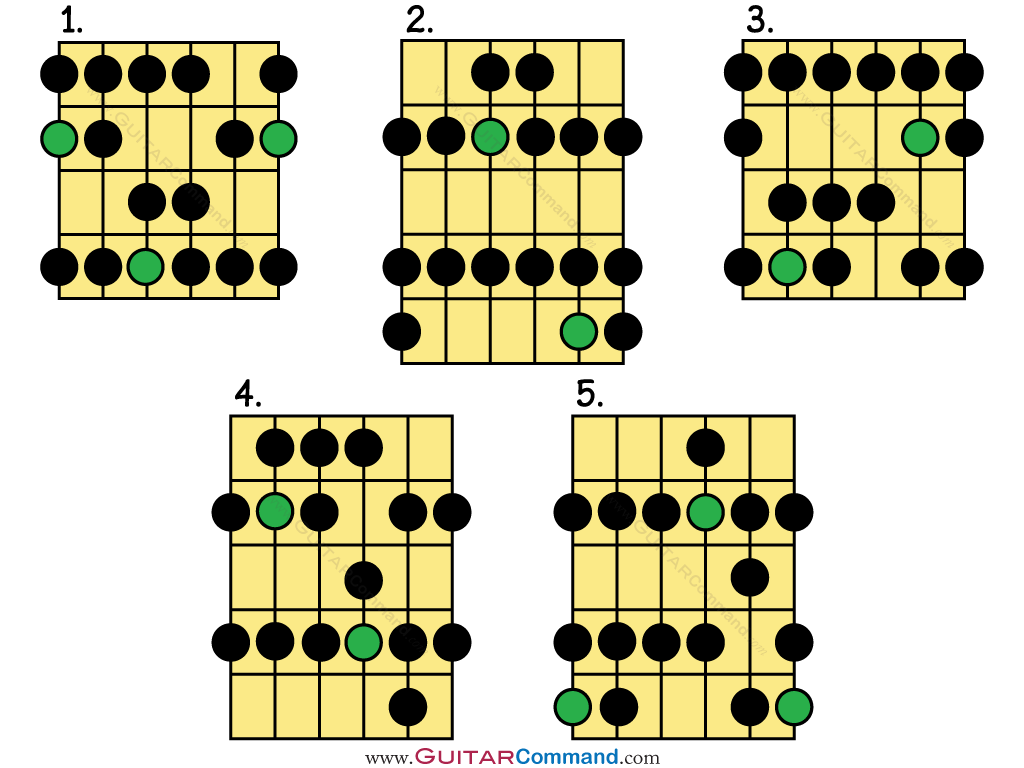
Guitar Scales The Five Pattern System Play Guitar Podcast