Have you ever heard of the Singleton design pattern in Java? It’s a popular design pattern used to ensure that a class has only one instance and provides a global point of access to it.
Singleton design pattern in Java is commonly used in scenarios where you need to control the number of instances that can be created for a class, such as managing database connections or logging systems.
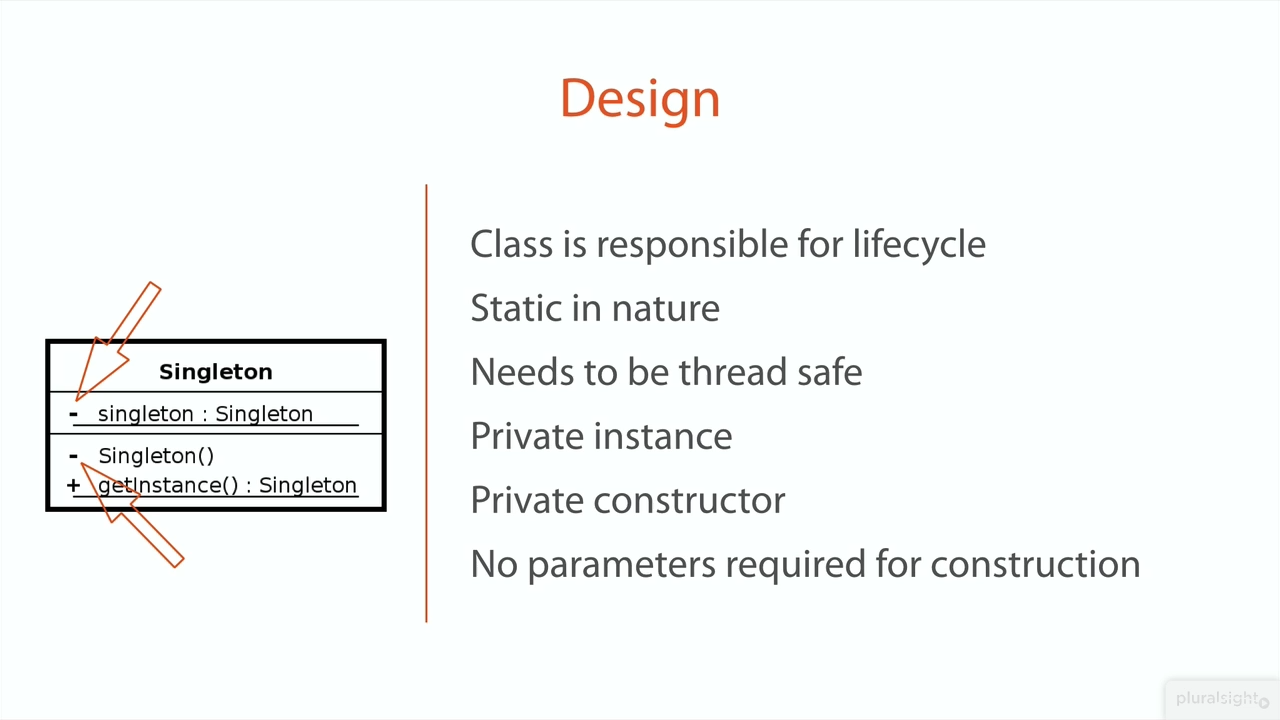
singleton design pattern java
The Benefits of Singleton Design Pattern Java
One of the main advantages of using the Singleton design pattern in Java is that it helps in conserving resources by preventing multiple instances of a class from being created unnecessarily. This can be especially useful in memory-intensive applications.
Another benefit of using the Singleton design pattern is that it provides a centralized point of access to the instance, making it easy to manage and control the behavior of the class throughout the application.
Implementing the Singleton design pattern in Java is relatively straightforward, and there are various ways to achieve it, such as using static variables, enums, or synchronized blocks. Each approach has its own pros and cons, so it’s essential to choose the one that best fits your requirements.
In conclusion, the Singleton design pattern in Java is a powerful tool that can help you improve the efficiency and maintainability of your code. By ensuring that only one instance of a class is created, you can avoid potential issues related to resource management and control access to critical components of your application.

Java Singleton Design Pattern Best Practices With Examples DigitalOcean
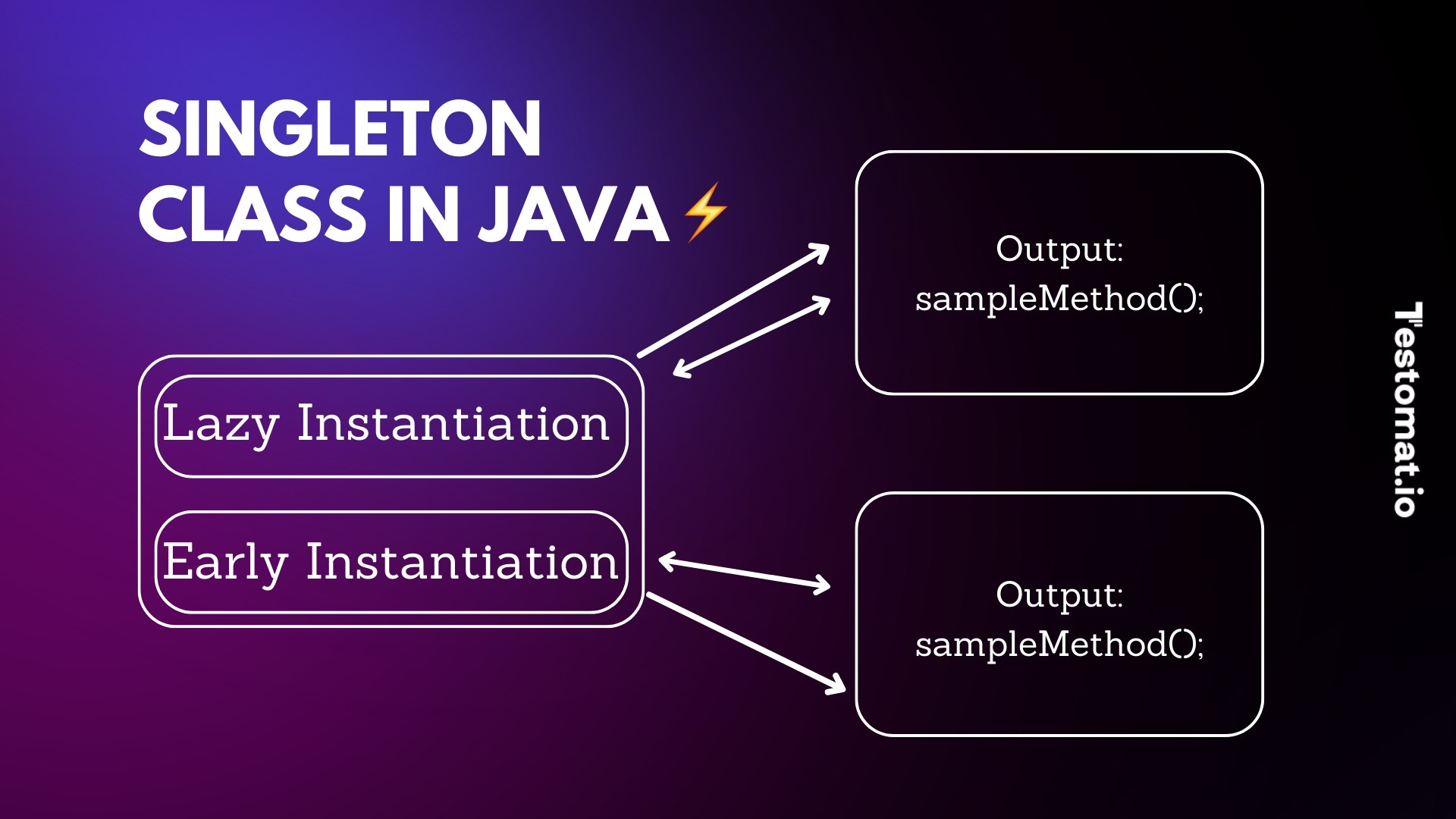
Singleton Design Pattern Leveraging It In Test Automation Testomat
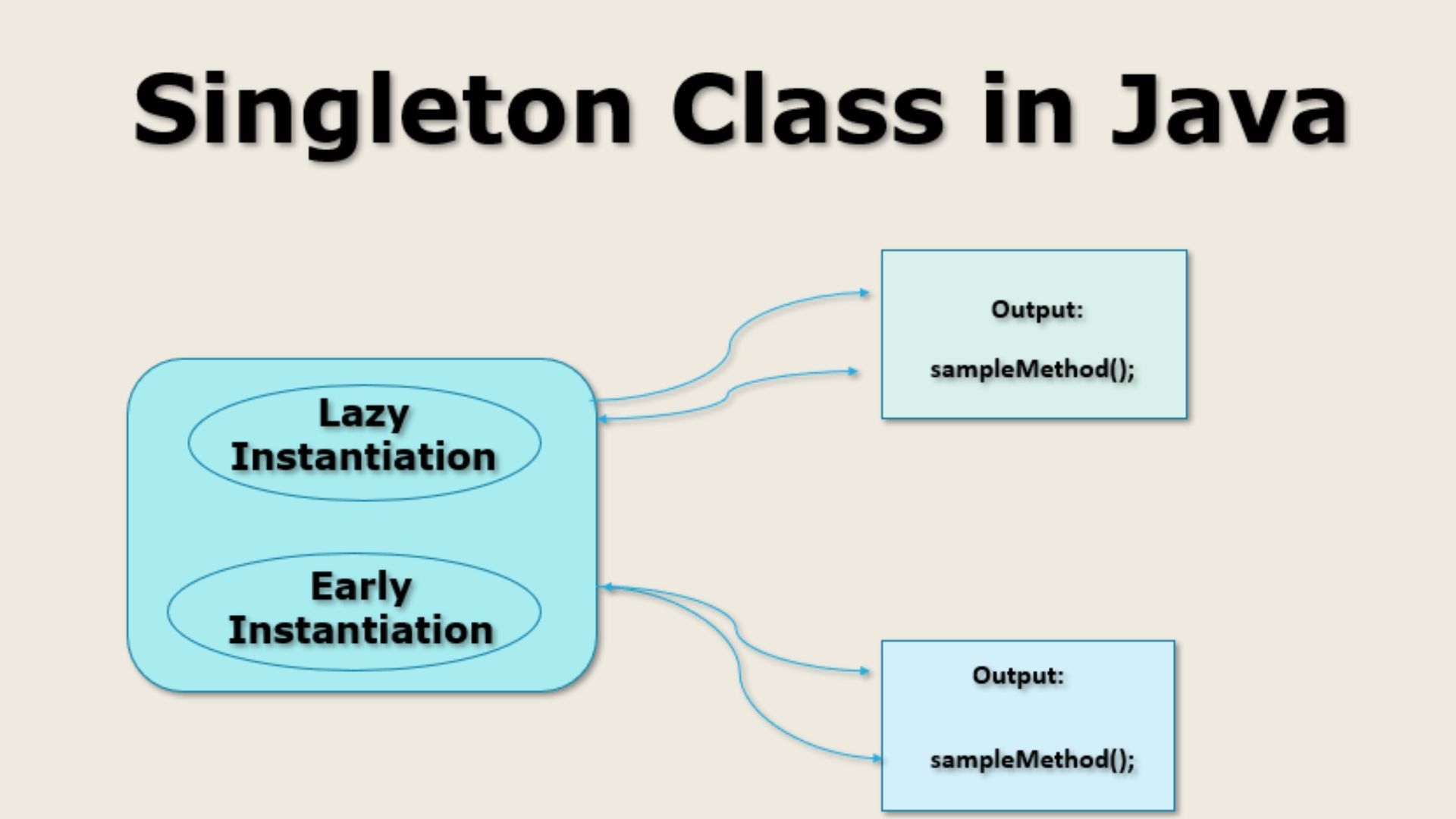
A Guide To The Singleton Class In Java Board Infinity
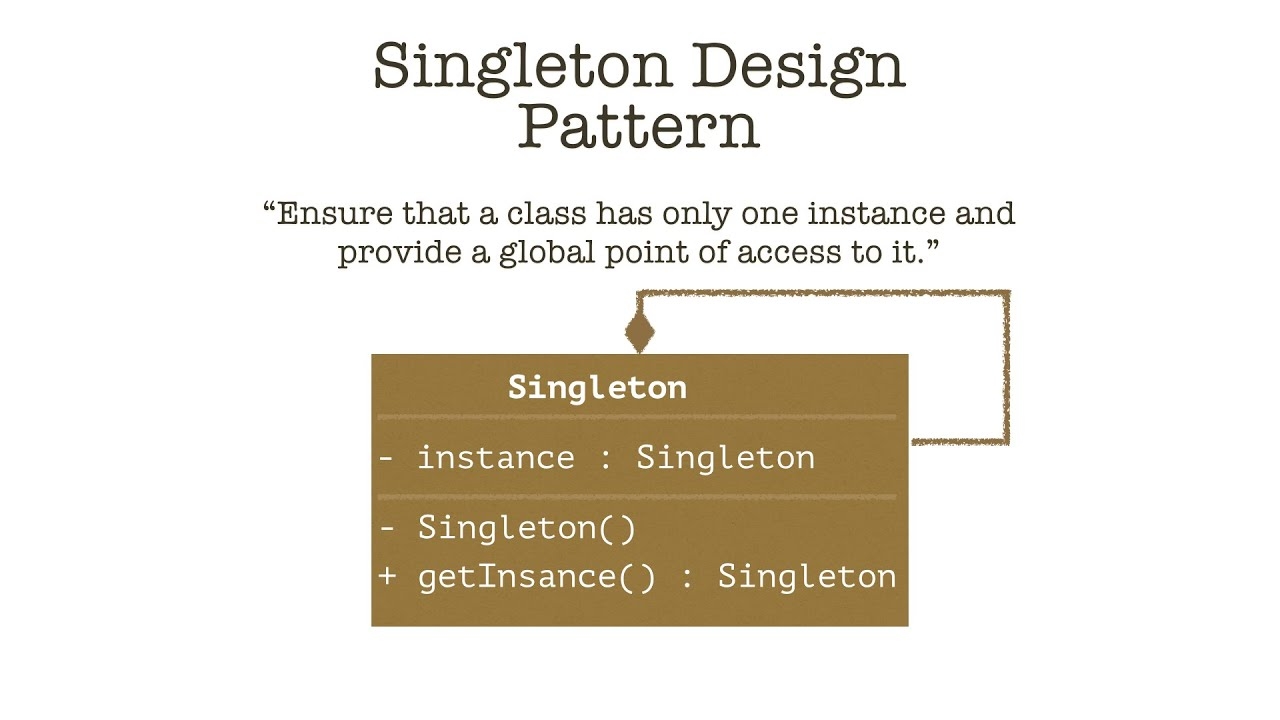
Singleton Design Pattern In Java Part 2 YouTube
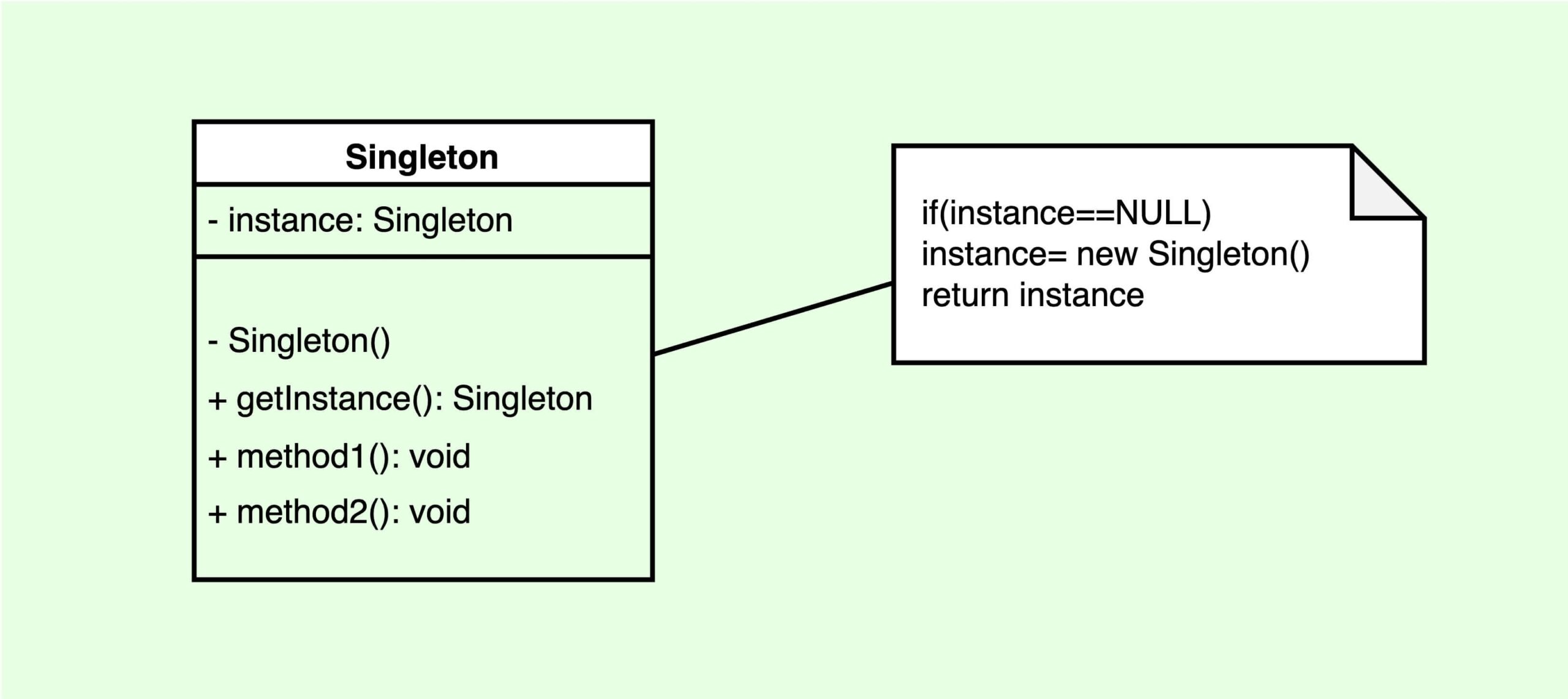
Implementing Singleton Design Pattern In Java StackTips