Have you ever wondered about the pattern of a major scale? It’s a fundamental concept in music theory that forms the basis of Western music. Understanding this pattern can help you create melodies, harmonies, and chord progressions with ease.
Major scales are made up of seven notes that follow a specific pattern of whole steps and half steps. The pattern of a major scale is whole-whole-half-whole-whole-whole-half. This means that there are two half steps, one between the 3rd and 4th notes and another between the 7th and 8th notes (which is the same as the 1st note an octave higher).
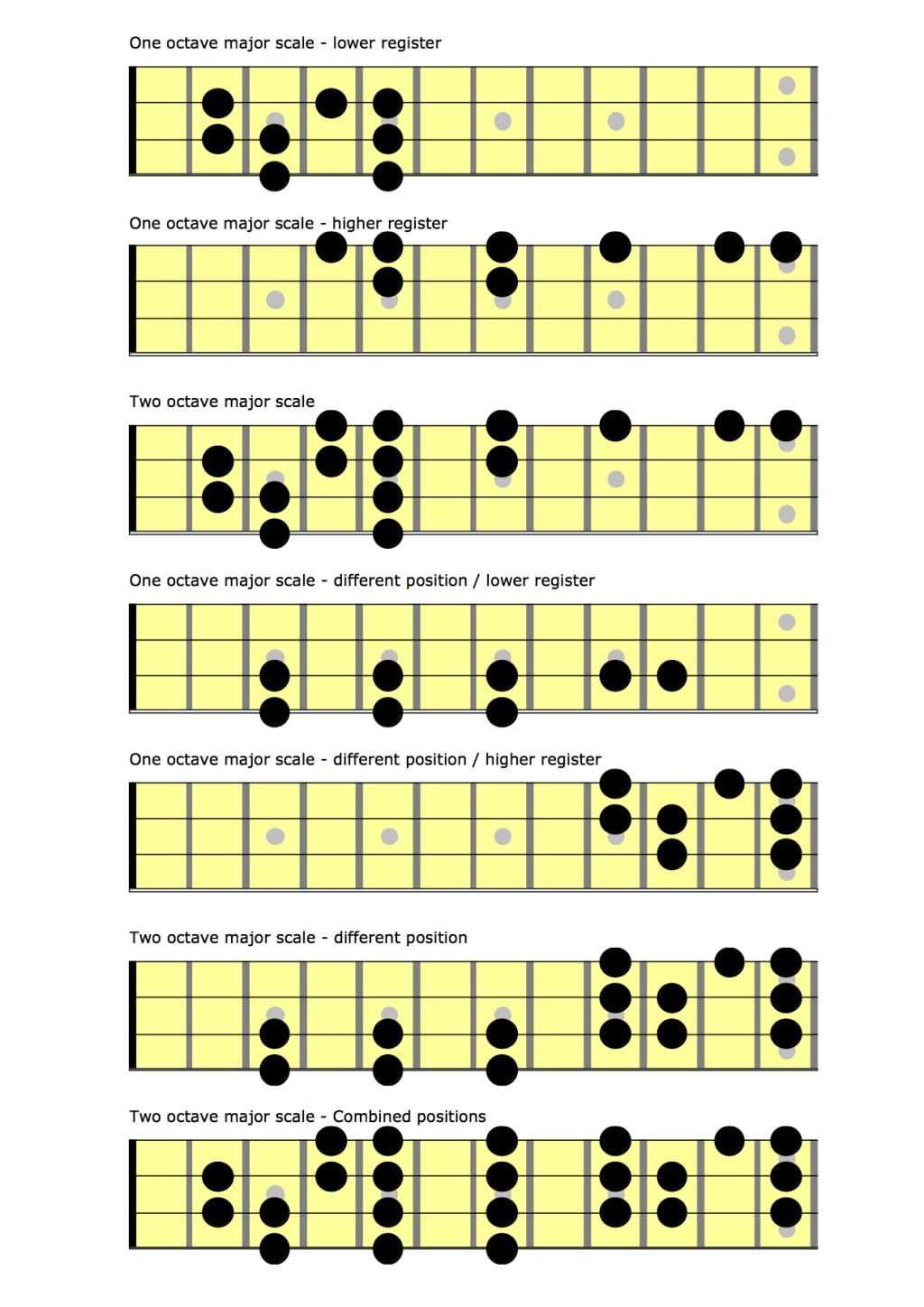
pattern of a major scale
Exploring the Pattern of a Major Scale
For example, let’s take the C major scale. The notes in this scale are C-D-E-F-G-A-B. Following the pattern of whole steps and half steps, we have: C to D (whole step), D to E (whole step), E to F (half step), F to G (whole step), G to A (whole step), A to B (whole step), and B to C (half step).
Once you understand the pattern of a major scale, you can easily build major scales starting on any note. This knowledge is essential for musicians, whether you’re a beginner learning your first scale or an advanced player exploring complex compositions.
Practice playing major scales on your instrument to internalize the pattern and sound of each scale. As you become more familiar with major scales, you’ll start to recognize their unique qualities and how they relate to each other in music.
So next time you pick up your guitar, piano, or any other instrument, remember the pattern of a major scale and how it shapes the music you create. It’s a simple yet powerful concept that can enhance your musical journey in countless ways.
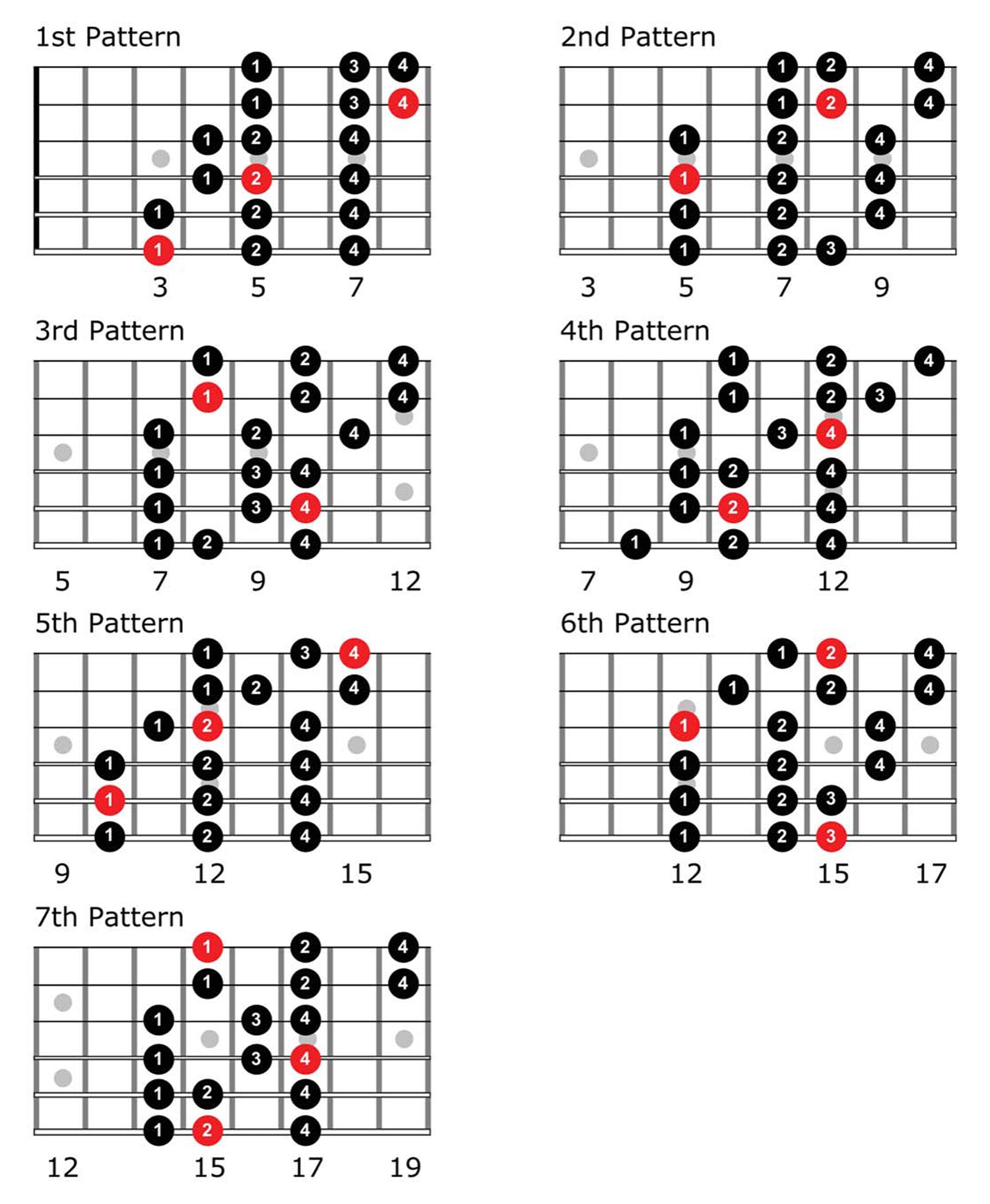
Major Guitar Scales TrueFire
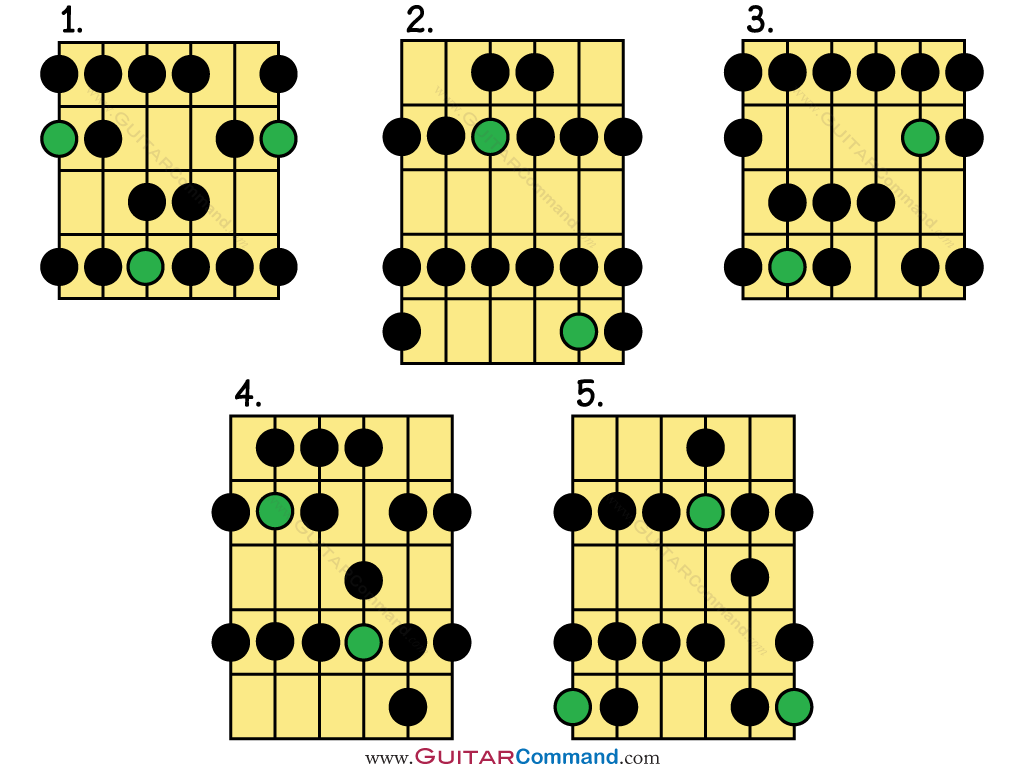
Guitar Scale Pattern Sewing Pattern Library
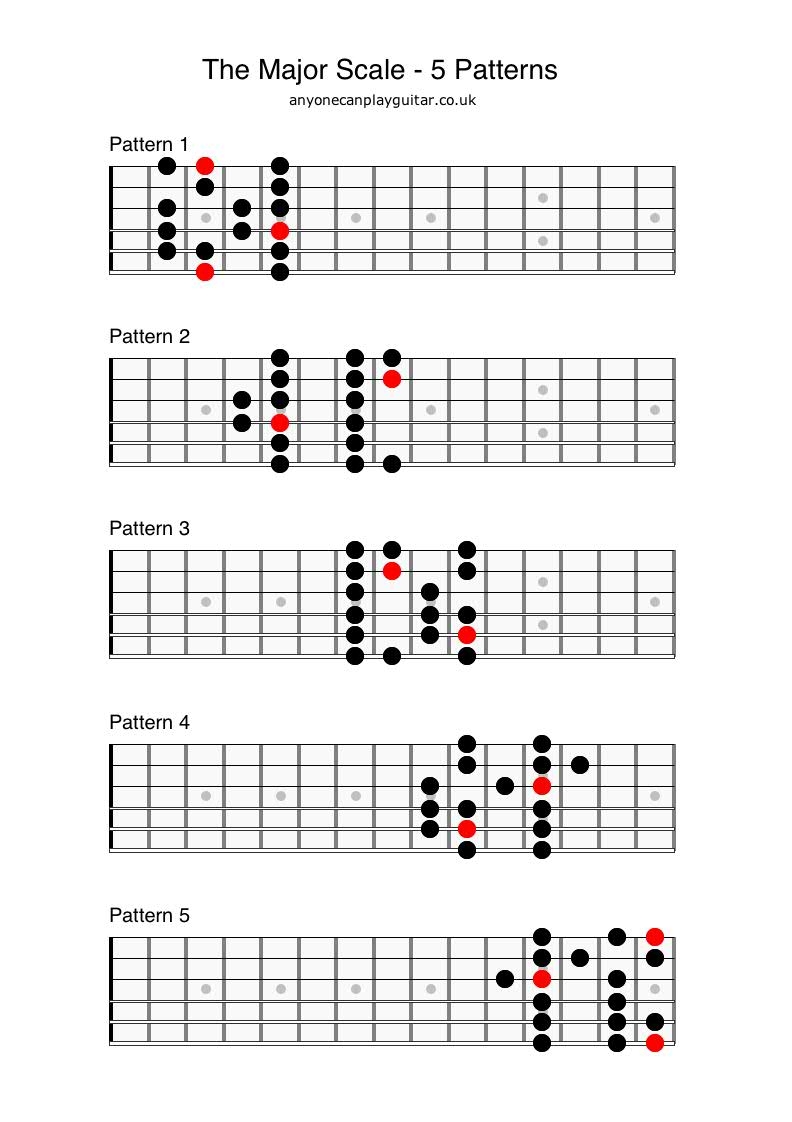
The Major Scale Anyone Can Play Guitar
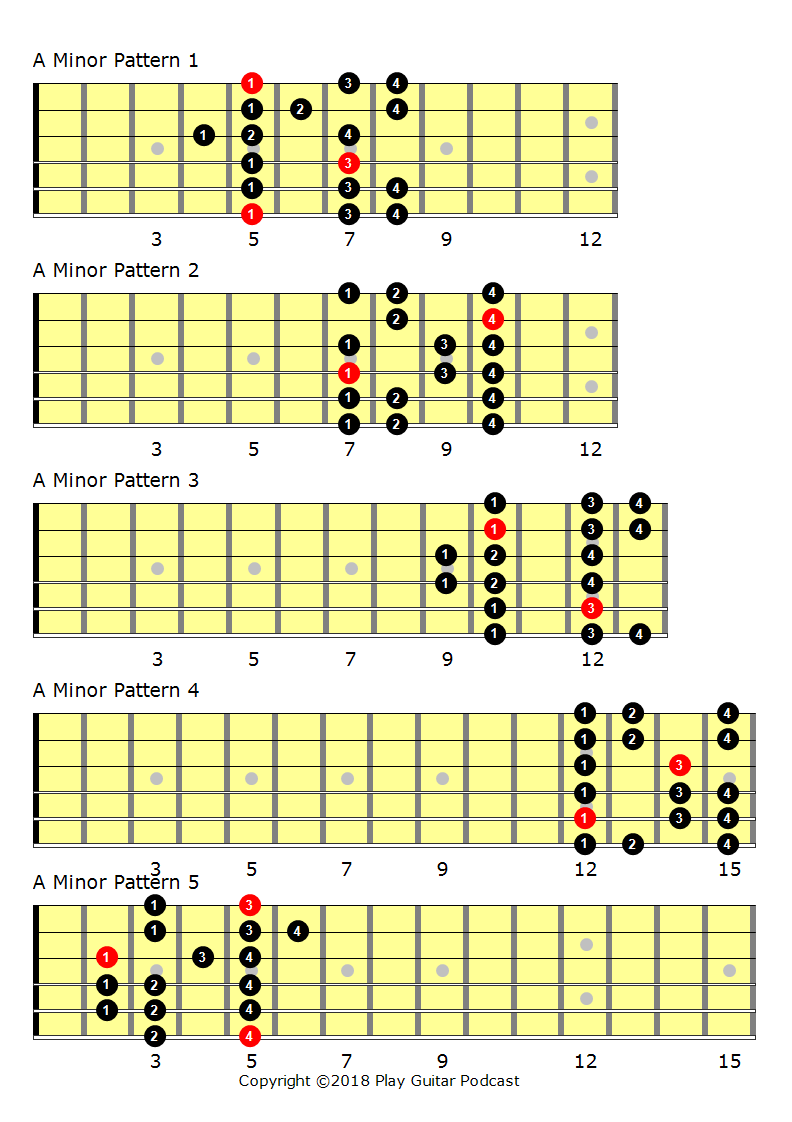
Guitar Scales The Five Pattern System Play Guitar Podcast
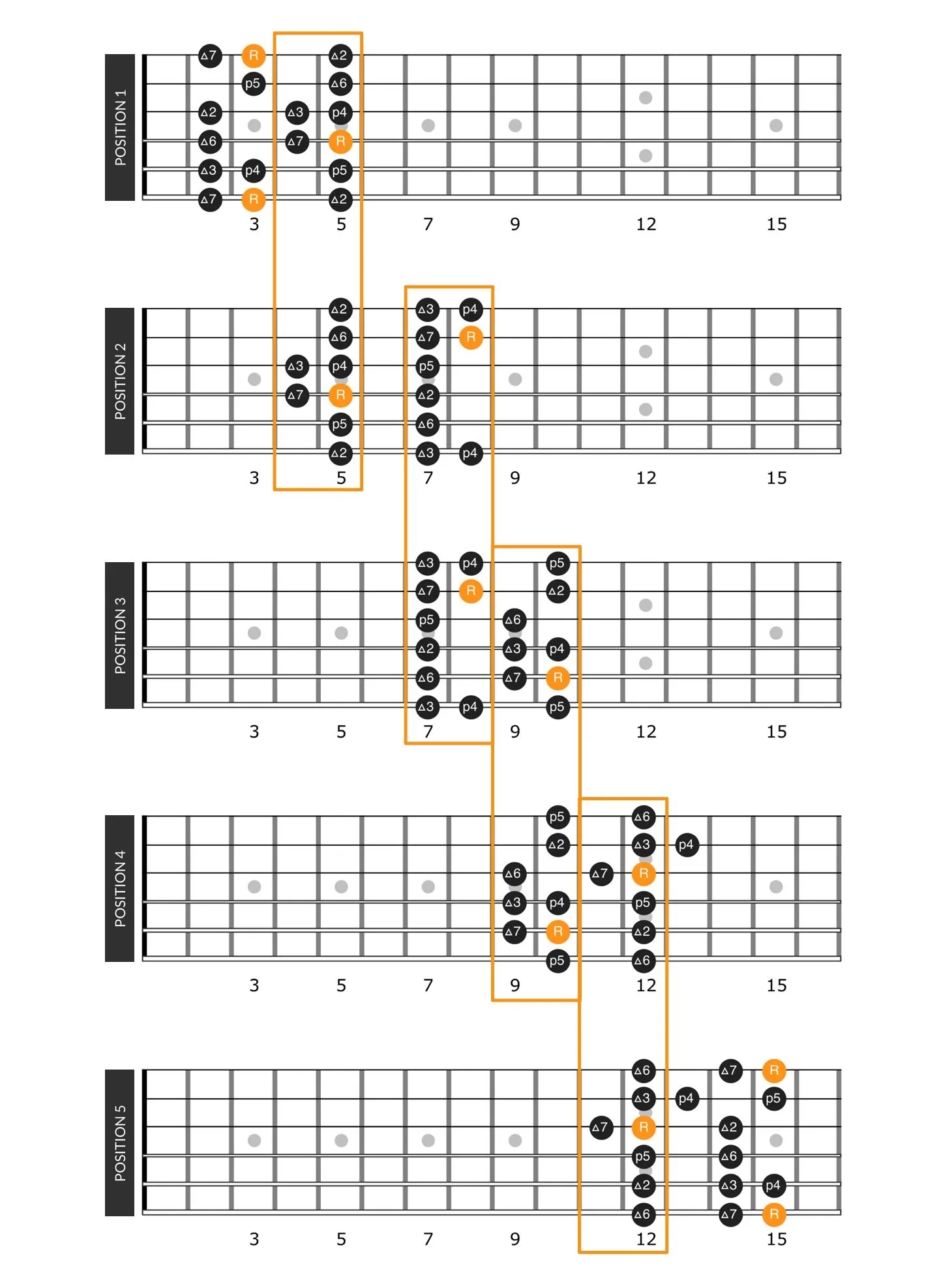
Major Scale Patterns Positions And Theory