Are you feeling overwhelmed by your thoughts and emotions? Sometimes, our minds can be like a crowded room with no clear direction. It’s essential to understand how thought directives and unmanaged emotional patterns can impact our mental well-being.
Thought directives are the internal messages we give ourselves, consciously or subconsciously. These messages can shape our beliefs, behaviors, and emotions. When these directives are negative or self-critical, they can lead to anxiety, depression, and other mental health issues.
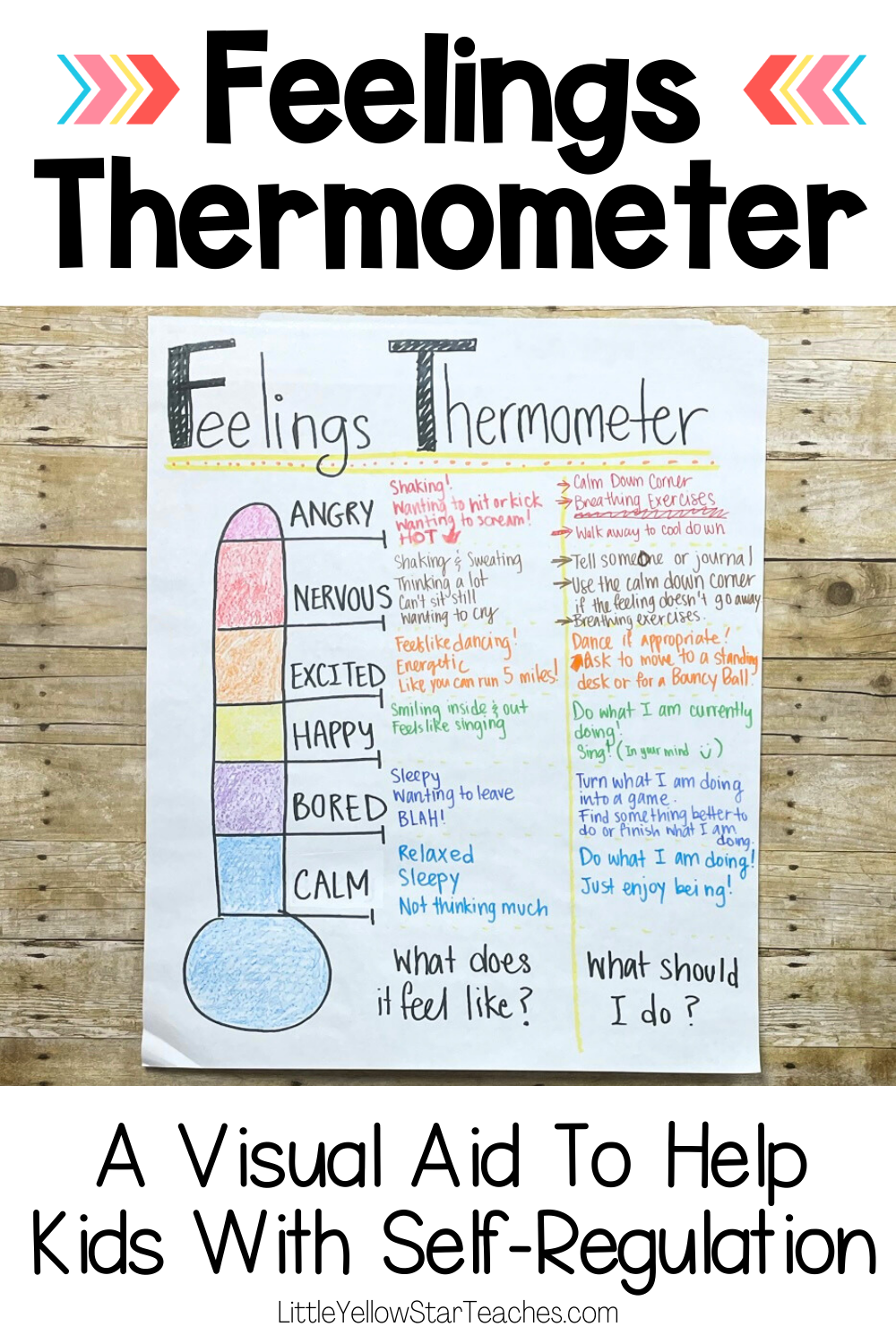
thought directives and unmanaged emotional patterns
The Impact of Thought Directives and Unmanaged Emotional Patterns
Unmanaged emotional patterns are recurring emotional responses to situations that may be unhealthy or unhelpful. These patterns can be deeply ingrained and can influence our thoughts and behaviors without us even realizing it. They can lead to stress, relationship problems, and hinder personal growth.
Recognizing and addressing thought directives and unmanaged emotional patterns is crucial for improving mental well-being. By becoming more aware of our thoughts and emotions, we can challenge negative patterns and replace them with healthier alternatives. Therapy, mindfulness practices, and self-reflection can be valuable tools in this process.
It’s important to remember that changing thought directives and emotional patterns takes time and effort. Be patient with yourself and seek support from friends, family, or mental health professionals if needed. With dedication and self-awareness, you can cultivate a more positive and balanced mindset.
In conclusion, understanding thought directives and unmanaged emotional patterns is key to fostering mental well-being. By addressing these internal processes, we can take control of our thoughts and emotions, leading to a more fulfilling and peaceful life.
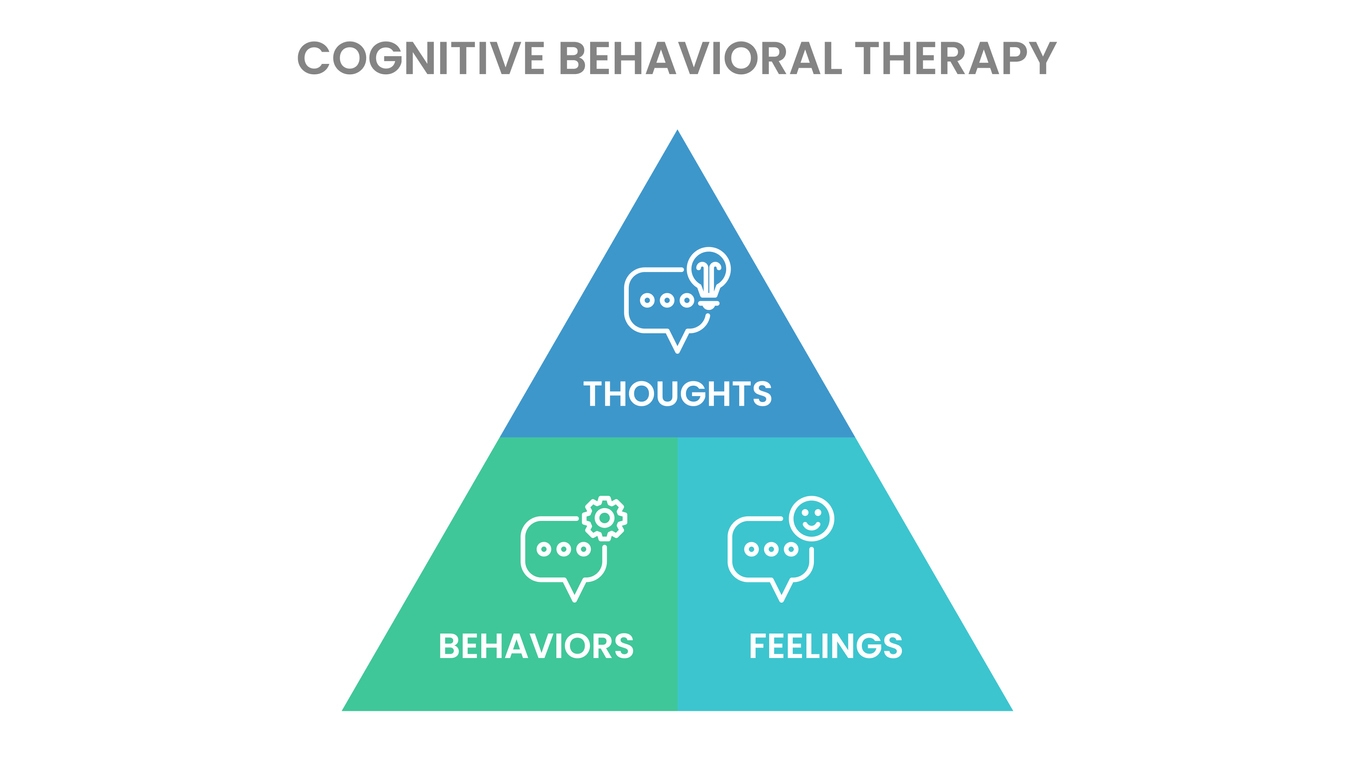
How To Use The Cognitive Triangle AANMC
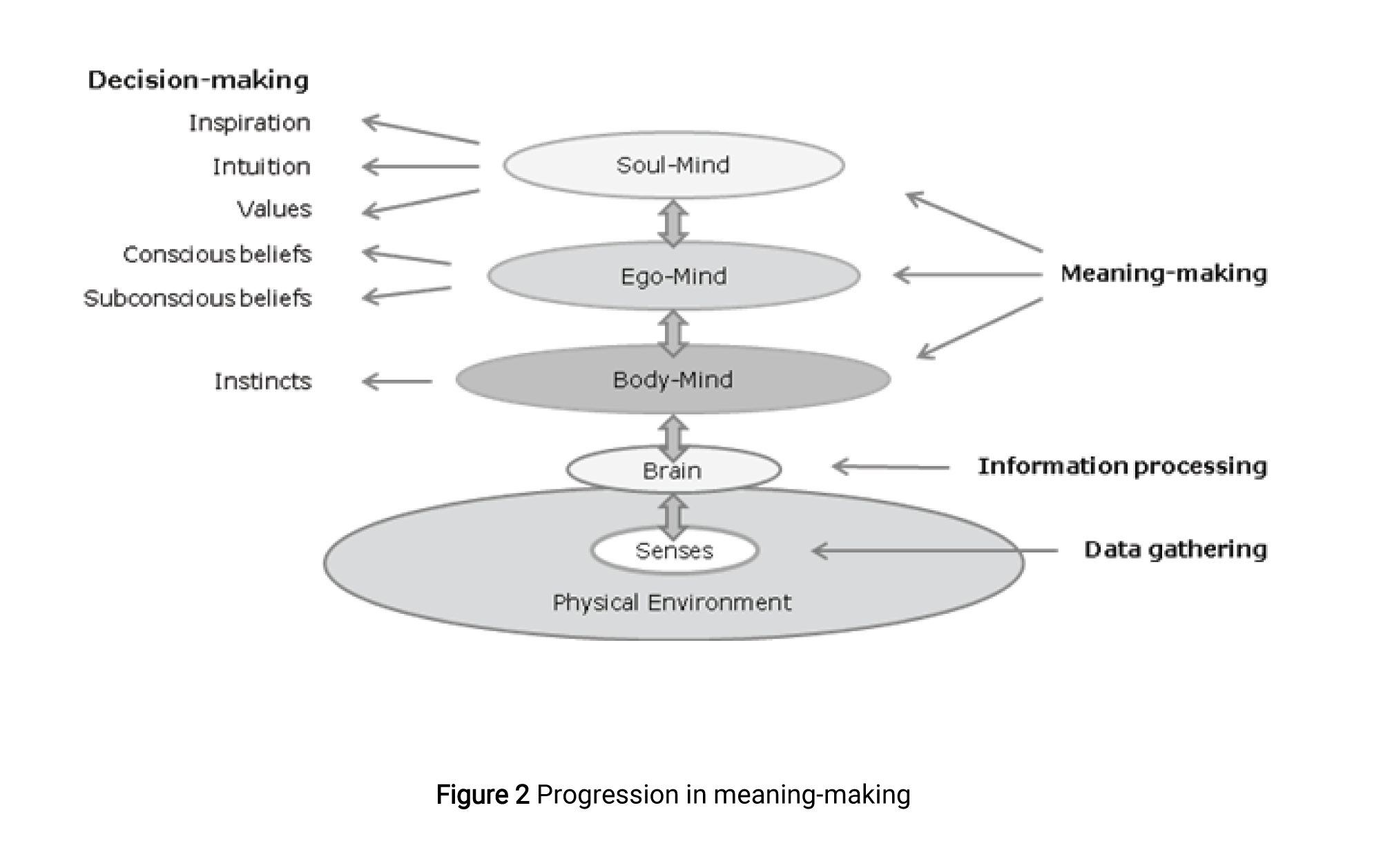
The Six Modes Of Decision Making BVC
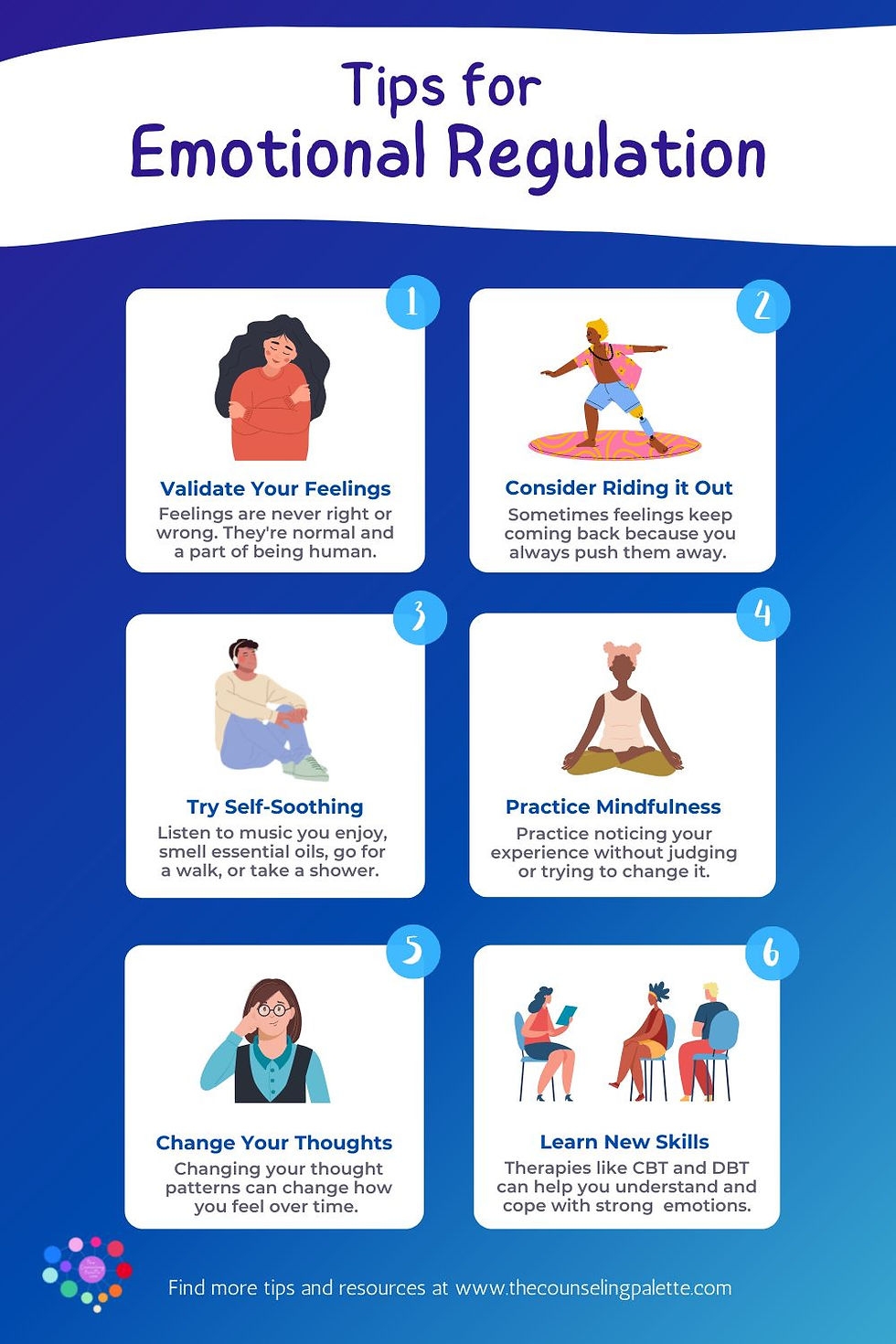
11 Comforting Tips For Emotional Regulation
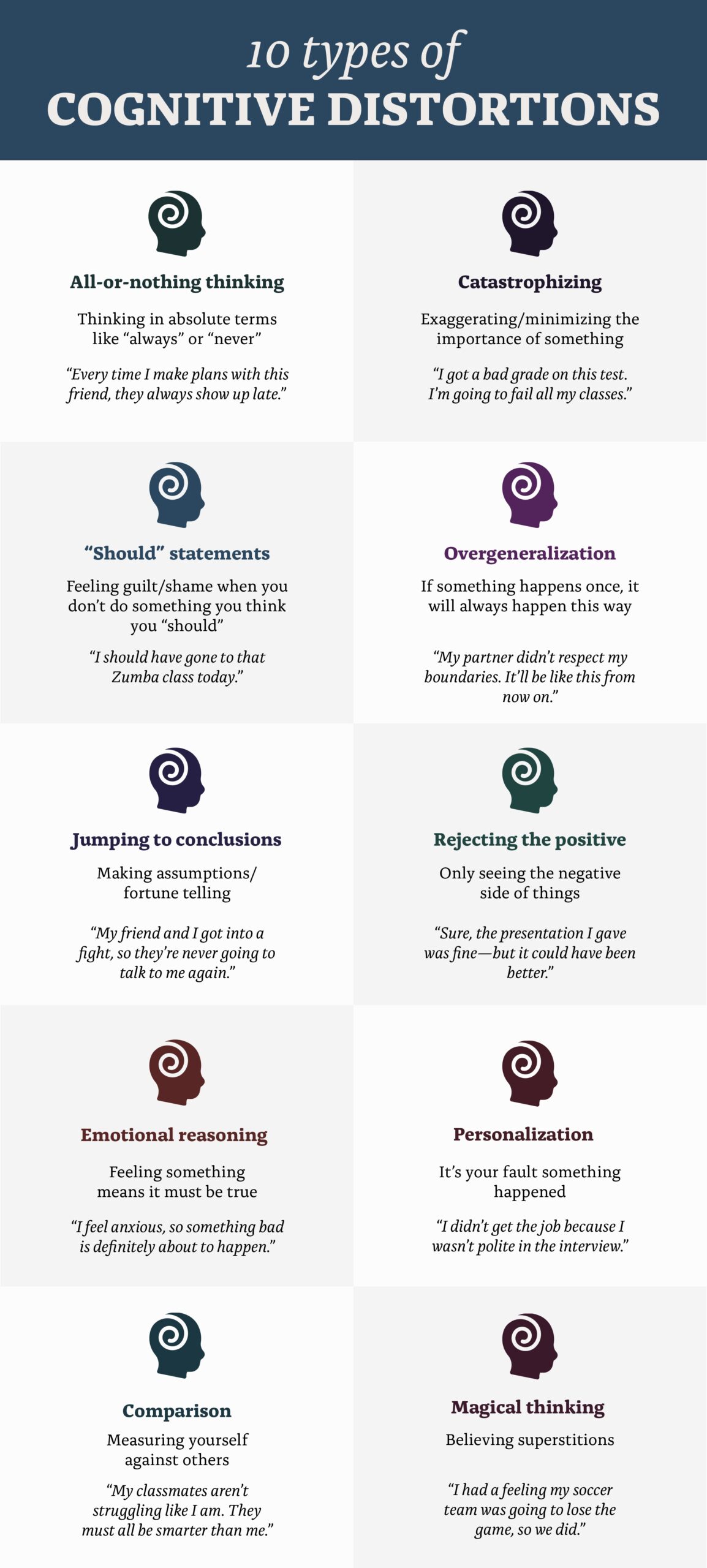
How To Recognize If You re Trapped In A Negative Thought Spiral and How To Get Out CampusWell
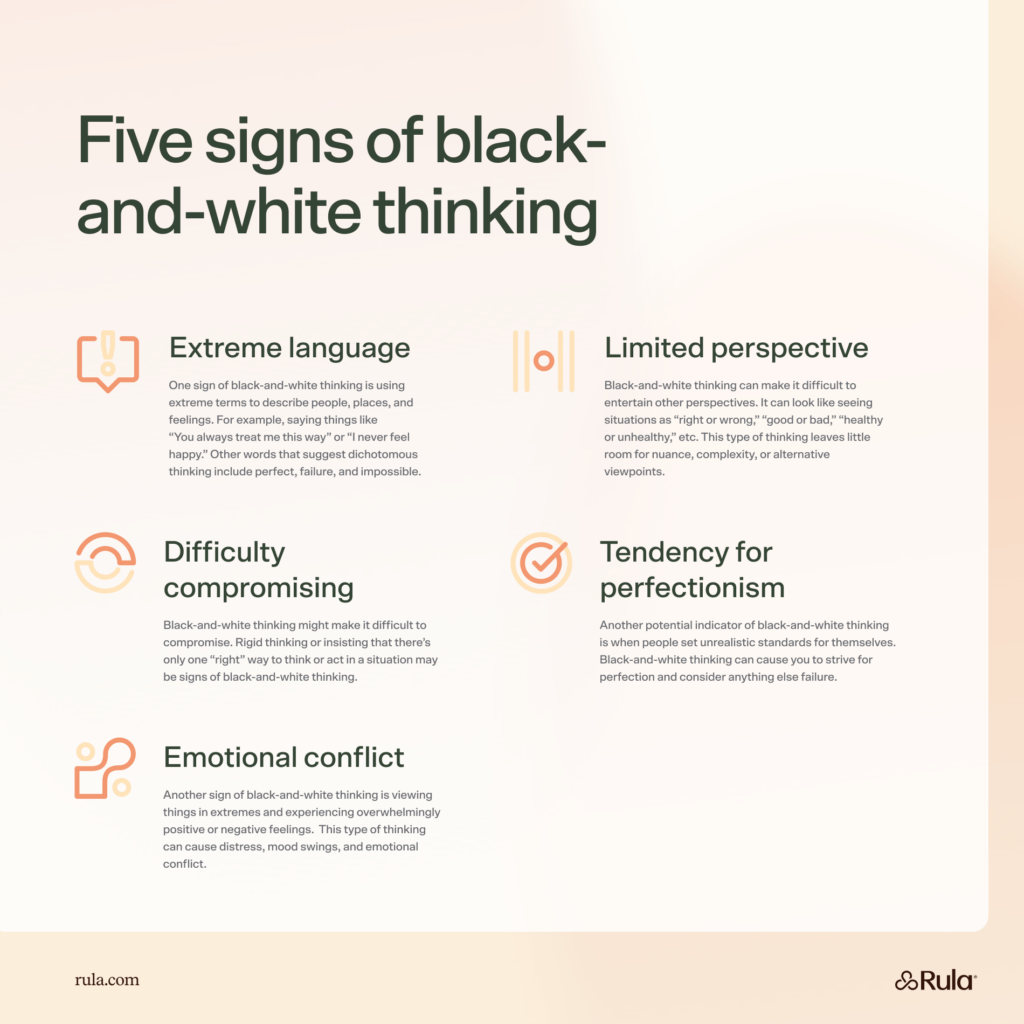
Five Signs Of Black and white Thinking And How To Overcome It