Are you struggling with understanding box and whisker plots on your worksheet? Don’t worry, you’re not alone! These plots can be tricky to interpret, but with a little guidance, you’ll be a pro in no time.
Box and whisker plots are a visual way to represent the distribution of data. The “box” represents the interquartile range, while the “whiskers” show the minimum and maximum values. Understanding these components is key to interpreting the plot.
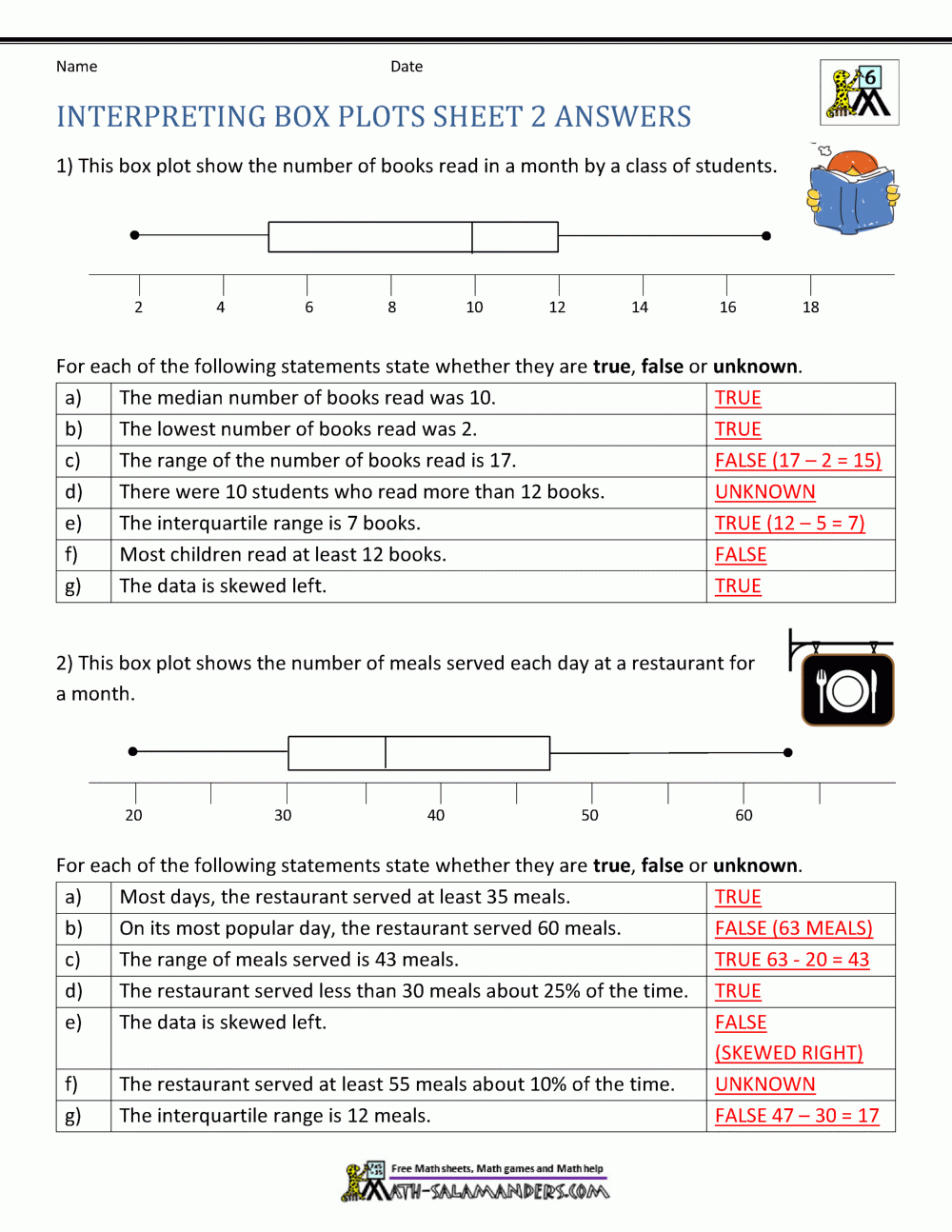
worksheet box and whisker plots
Mastering Box and Whisker Plots on Your Worksheet
To create a box and whisker plot, start by organizing your data in numerical order. Then, find the median, lower quartile, and upper quartile. Draw a box from the lower to upper quartiles and extend whiskers to the minimum and maximum values.
Interpreting a box and whisker plot involves looking at the length of the box (interquartile range) to determine the spread of the data. Outliers, represented as individual points outside the whiskers, can also provide valuable insights into the dataset.
Practice makes perfect when it comes to understanding box and whisker plots. Take the time to work through different examples on your worksheet to strengthen your skills. Remember, it’s okay to ask for help if you get stuck!
Now that you have a better grasp of box and whisker plots, you can confidently tackle any worksheet that comes your way. Keep practicing and honing your skills, and soon you’ll be a box and whisker plot pro!
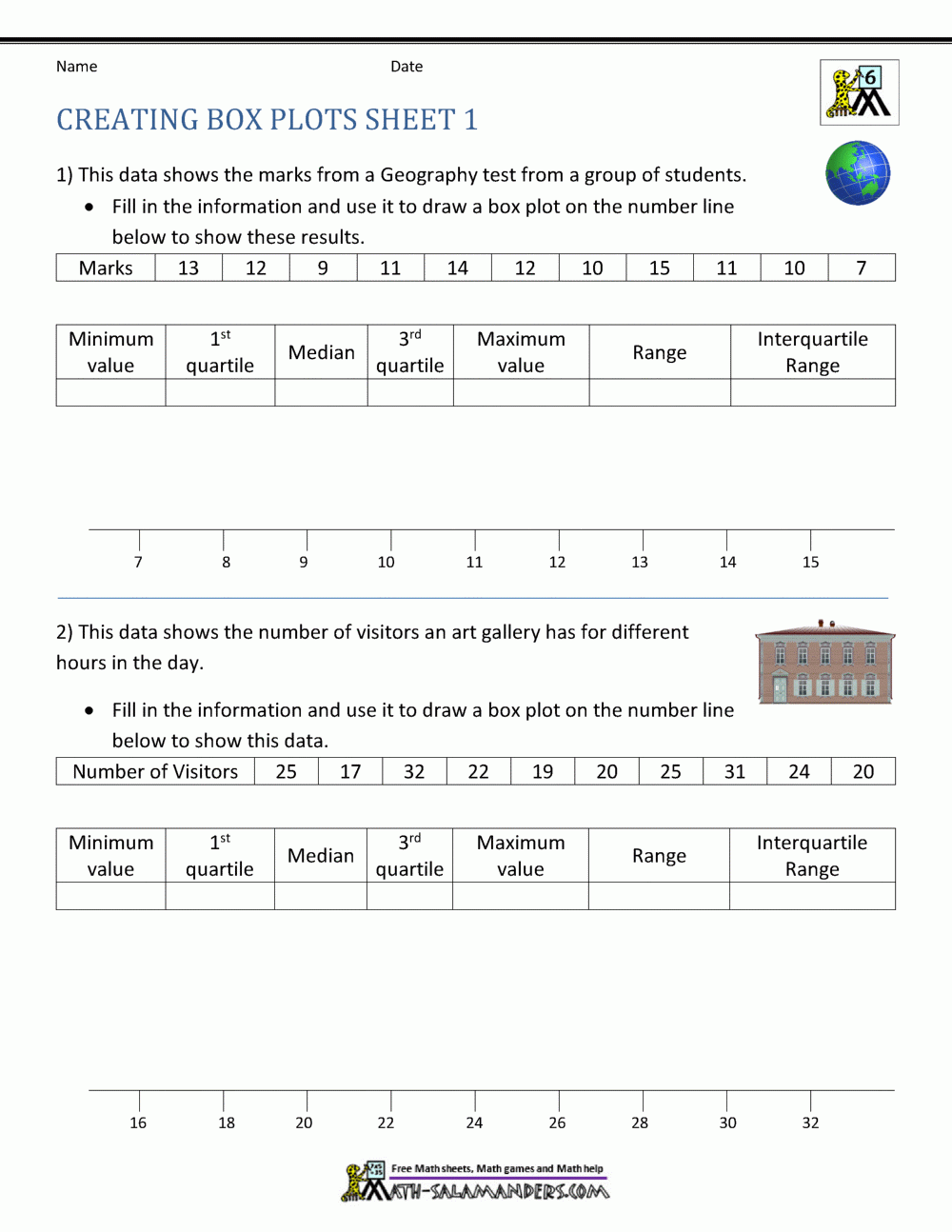
Box Plot Worksheets Worksheets Library
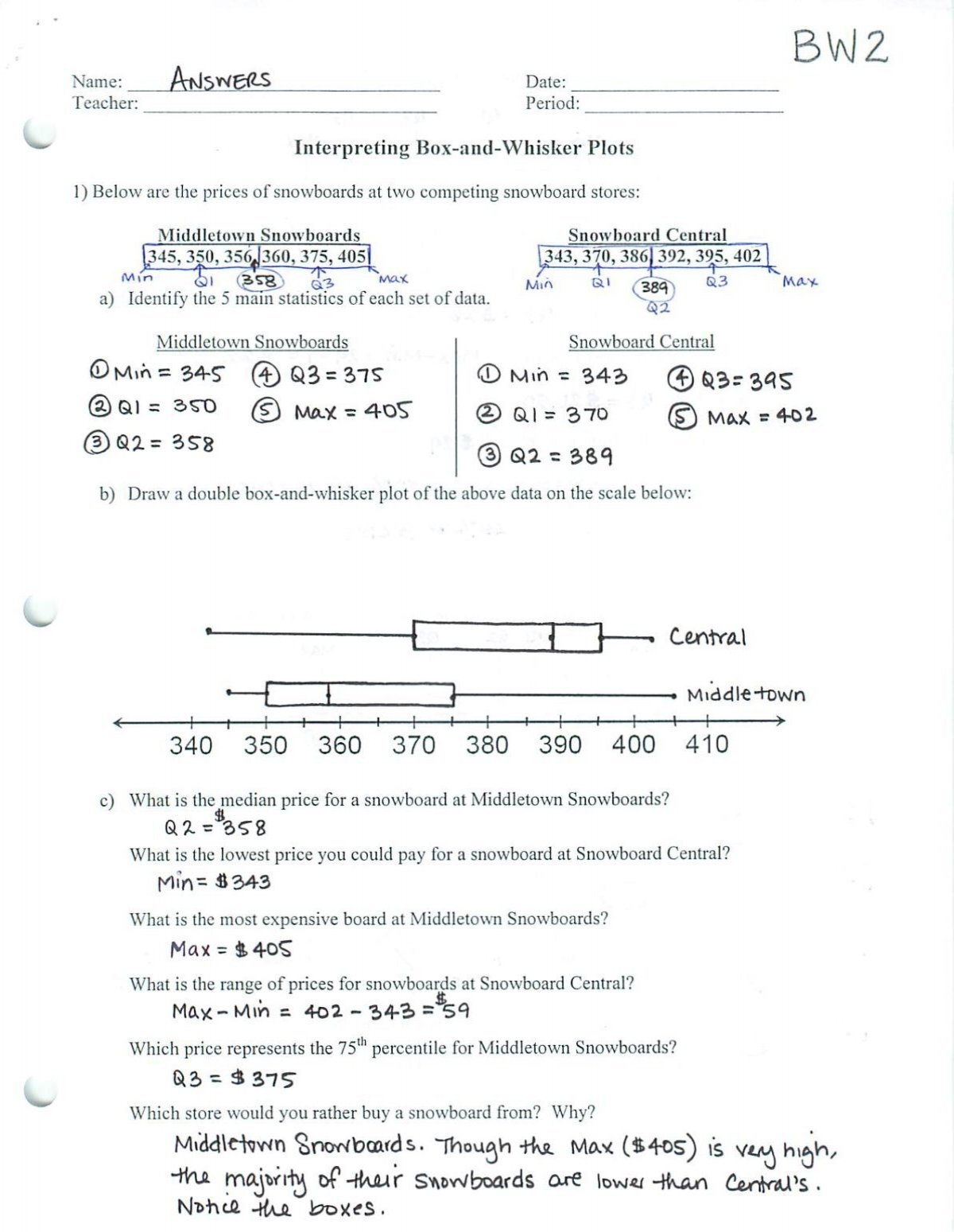
Interpreting Box And Whisker Plots Worksheet BW2
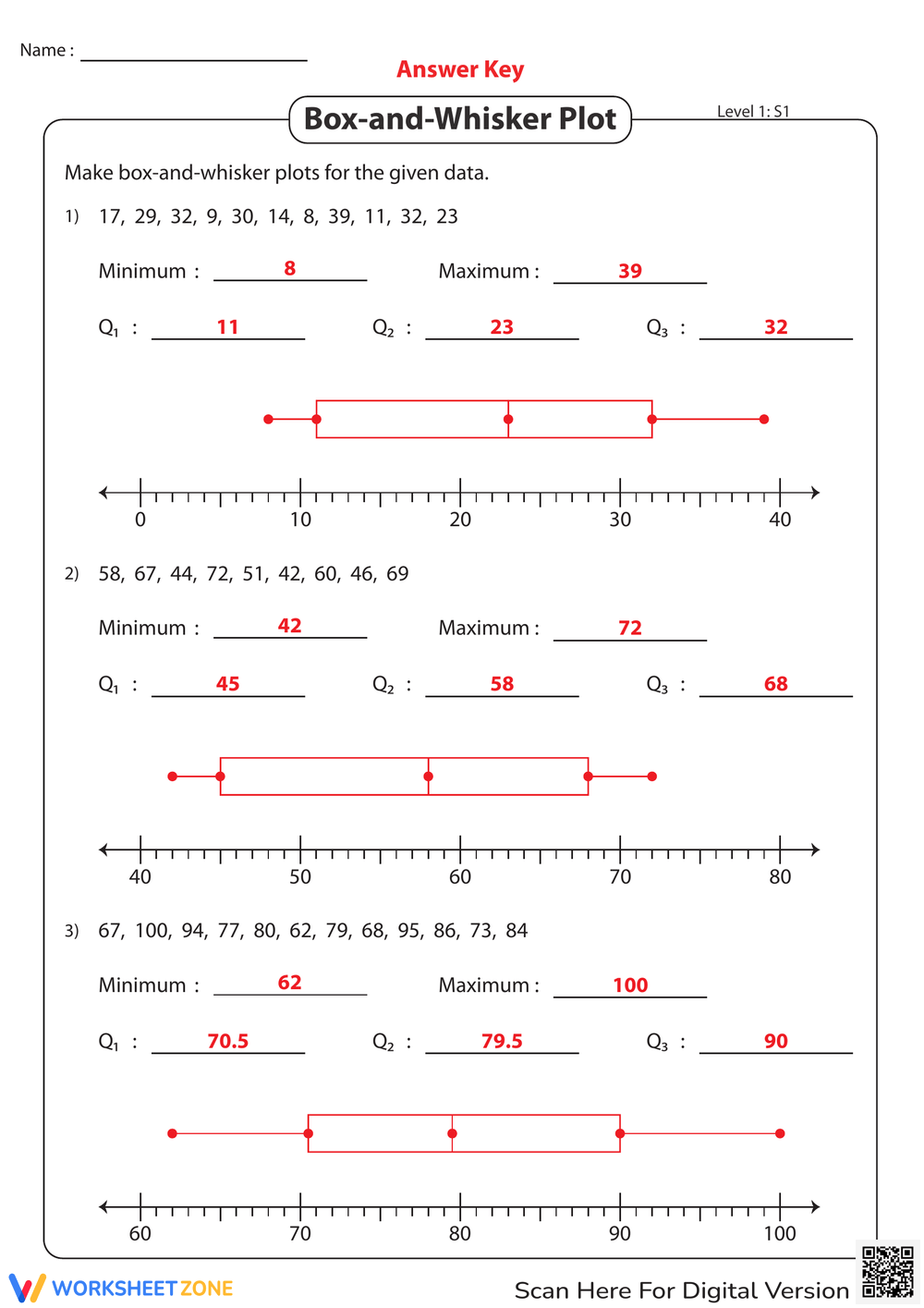
Grade 6 Box Plots Worksheets Printable
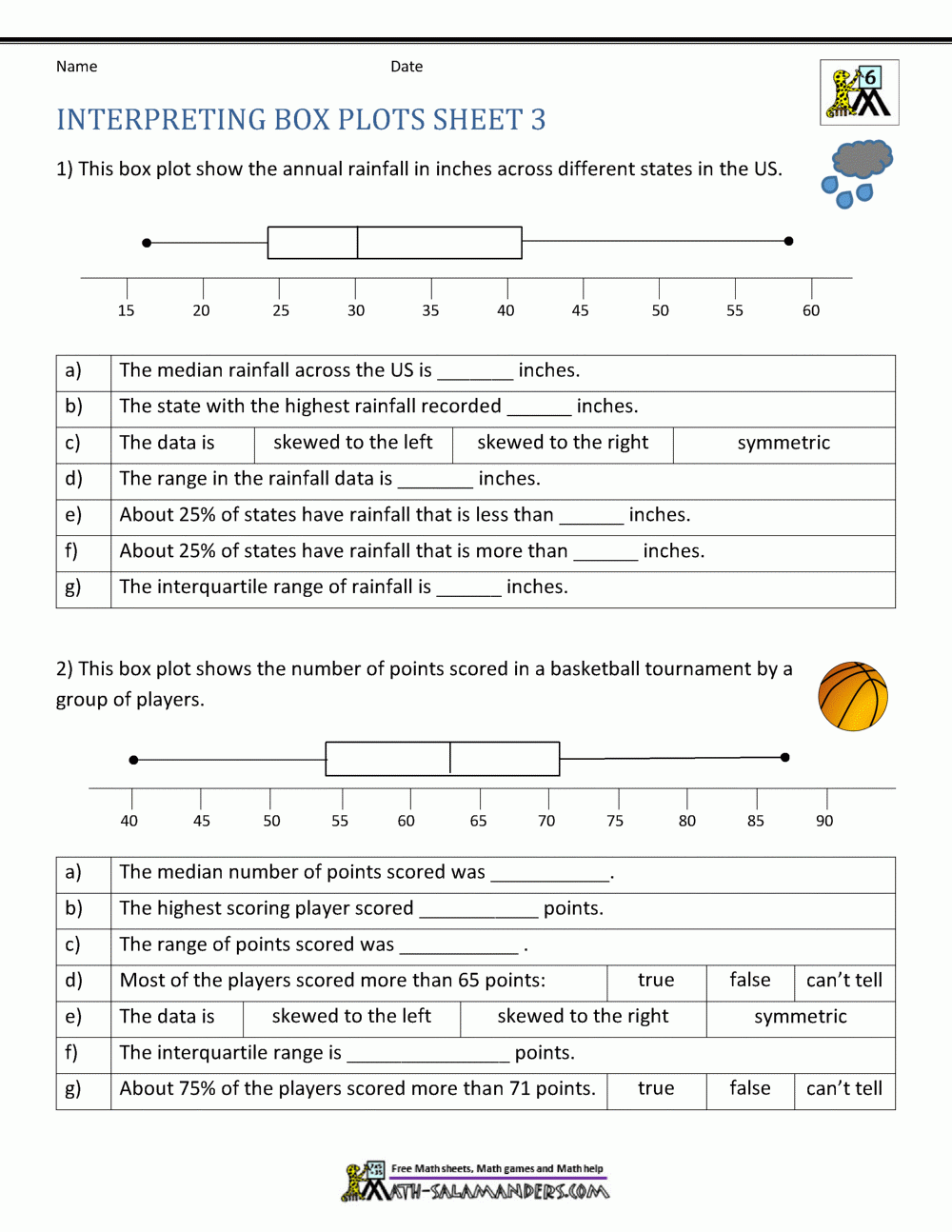
Box Plot Worksheets
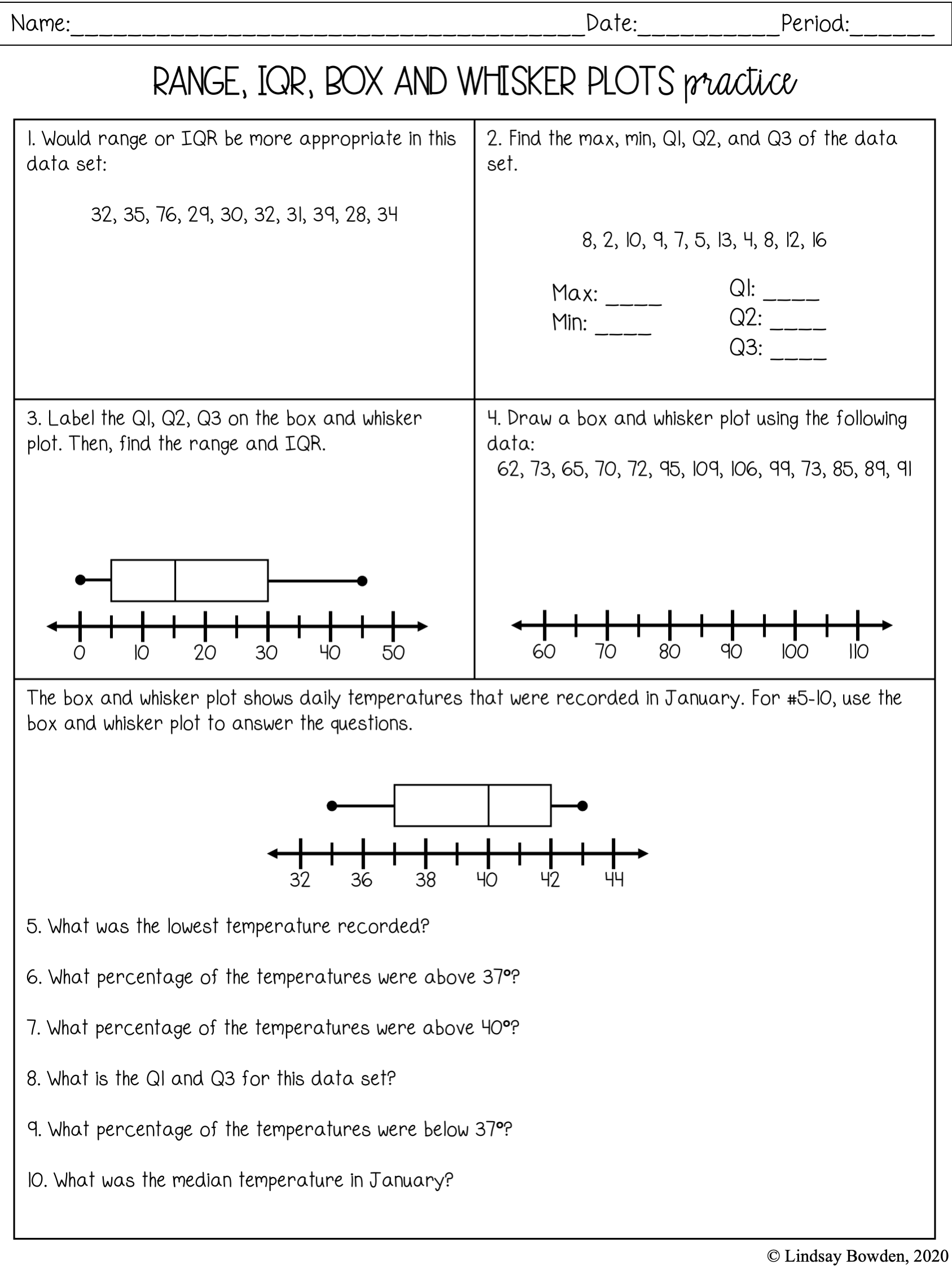
Box And Whisker Plots Guided Notes And Worksheets 7th 10th Grade Algebra Lindsay Bowden